Pages


Kamis, 27 Desember 2012

Patellar tendinitis

0 komentar
Patellar tendinitis
Patellar tendinitis

Definition:
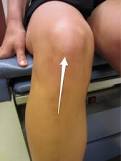
Patellar tendinitis is an injury that affects the tendon connecting your kneecap (patella) to your shinbone. The patellar tendon plays a pivotal role in the way you use your leg muscles. It helps your muscles extend your knee so that you can kick a ball, run uphill and jump up in the air.

Patellar tendinitis is most common in athletes whose sports involve frequent jumping — such as basketball and volleyball. For this reason, patellar tendinitis is commonly known as jumper's knee. However, even people who don't participate in jumping sports can experience patellar tendinitis.
For most people, treatment of patellar tendinitis begins with physical therapy to stretch and strengthen the muscles around the knee.

Symptoms:
Pain is the first symptom of patellar tendinitis. The pain usually is located in the section of your patellar tendon between your kneecap (patella) and the area where the tendon attaches to your shinbone (tibia).
The pain in your knee may:
  • Initially be present only as you begin physical activity or just after an intense workout
  • Progress to the point that it interferes with your sports performance
  • Eventually interfere with daily tasks such as climbing stairs or getting up from a chair
When to see a doctor
If you experience knee pain, try self-care measures first, such as icing the affected area and temporarily reducing or avoiding activities that trigger your symptoms.
Call your doctor if your pain:
  • Continues or worsens
  • Interferes with your ability to perform routine daily activities
  • Is associated with swelling or redness about the joint

Causes:
Patellar tendinitis is a common overuse injury. It occurs when you place repeated stress on your patellar tendon. The stress results in tiny tears in the tendon, which your body attempts to repair. But as the tears in the tendon become more numerous, they cause pain from inflammation and a weakening of the tendon structure. When this tendon damage persists over more than a few weeks, it is called tendinopathy.

Complications:
 If you try to work through your pain, ignoring the warning signs your body is sending you, you could cause larger and larger tears in the patellar tendon. Knee pain and reduced function can persist if the factors contributing to patellar tendinitis are not addressed, and you may progress to the more chronic state of patellar tendinopathy.

Treatments and drugs:

Doctors typically begin with less invasive treatments before considering other options, such as surgery.

Medications
Pain relievers such as ibuprofen (Advil, Motrin, others) or naproxen (Aleve, others) may provide short-term relief from pain associated with patellar tendinitis.

Therapy
A variety of physical therapy techniques can help reduce the symptoms associated with patellar tendinitis, including:
  • Stretching exercises. Regular, steady stretching exercises can reduce muscle spasm and help lengthen the muscle-tendon unit. Don't bounce during your stretch.
  • Strengthening exercises. Weak thigh muscles contribute to the strain on your patellar tendon. Eccentric exercises, which involve lowering your leg very slowly after you extend your knee, are particularly helpful.
  • Patellar tendon strap. A strap that applies pressure to your patellar tendon can help to distribute force away from the tendon itself and direct it through the strap instead. This may help relieve pain.
  • Iontophoresis. This therapy involves spreading a corticosteroid medicine on your skin and then using a device that delivers a low electrical charge to push the medication through your skin.
Surgical and other procedures
If conservative treatments haven't helped, your doctor may suggest other therapies such as:
  • Corticosteroid injection. An ultrasound-guided corticosteroid injection into the sheath around the patellar tendon may help relieve pain. But these types of drugs can also weaken tendons and make them more likely to rupture.
  • Platelet-rich plasma injection. An injection of platelet-rich plasma has been tried in some people with chronic patellar tendon problems. Studies are ongoing. It is hoped the injections might promote new tissue formation and help heal tendon damage.
  • Surgery. If conservative approaches aren't helping after many months of treatment, in rare cases your doctor might suggest surgical intervention for the patellar tendon. Some of these procedures can be accomplished through small incisions around your knee.
Read more...

Teen depression

0 komentar
Teen depression

Definition:
Teen depression

Teen depression is a serious medical problem that causes a persistent feeling of sadness and loss of interest in activities. It affects how your teen thinks, feels and behaves, and it can cause emotional, functional and physical problems. Although mood disorders, such as depression, can occur at any time in life, symptoms may be different between teens and adults.

Issues such as peer pressure, academic expectations and changing bodies can bring a lot of ups and downs for teens. But for some teens, the lows are more than just temporary feelings — they're a symptom of depression.

Teen depression isn't a weakness or something that can be overcome with willpower — it can have serious consequences and requires long-term treatment. For most teens, depression symptoms ease with treatment such as medication and psychological counseling.

Causes:

It's not known exactly what causes depression. A variety of factors may be involved. These include:
  • Biological chemistry. Neurotransmitters are naturally occurring brain chemicals that likely play a role in depression. When these chemicals are out of balance, it may lead to depression symptoms.
  • Hormones. Changes in the body's balance of hormones may be involved in causing or triggering depression.
  • Inherited traits. Depression is more common in people whose biological (blood) relatives also have the condition.
  • Early childhood trauma. Traumatic events during childhood, such as physical or emotional abuse, or loss of a parent, may cause changes in the brain that make a person more susceptible to depression.
  • Learned patterns of negative thinking. Teen depression may be linked to learning to feel helpless — rather than learning to feel capable of finding solutions for life's challenges.
Complications:

Untreated depression can result in emotional, behavioral and health problems that affect every area of your teen's life. Complications related to teen depression can include:
  • Low self-esteem
  • Alcohol and drug abuse
  • Academic problems
  • Family conflicts and relationship difficulties
  • Social isolation
  • Involvement with the juvenile justice system
  • Suicide

Treatments and drugs:

Many types of treatment are available. In some cases, a primary care doctor can prescribe medications that relieve depression symptoms. However, many teens need to see a psychiatrist or psychologist or other mental health counselor. A combination of medications and psychological counseling (psychotherapy) is very effective for most teens with depression.

If your teen has severe depression or is in danger of self-harm, he or she may need a hospital stay or may need to participate in an outpatient treatment program until symptoms improve.
Here's a closer look at depression treatment options.

Medications
Because studies on the effects of antidepressants in teens are limited, doctors rely mainly on adult research when prescribing medications. The Food and Drug Administration (FDA) has approved two medications for teen depression — fluoxetine (Prozac) and escitalopram (Lexapro). However, as with adults, other medications may be prescribed at the doctor's discretion (off label), depending on your teen's needs.

Talk with your teen's doctor and pharmacist about possible side effects, weighing the benefits and risks. In some cases, side effects may go away as the body adjusts to the medication. 

Antidepressants and increased suicide risk
Although antidepressants are generally safe when taken as directed, the FDA requires that all antidepressants carry "black box" warnings, the strictest warnings for prescriptions. In some cases, children, adolescents and young adults under the age of 25 may have an increase in suicidal thoughts or behavior when taking antidepressants, especially in the first few weeks after starting or when the dose is changed. So, people in these age groups must be closely monitored by loved ones, caregivers and health care providers.

If your teen has suicidal thoughts while taking an antidepressant, immediately contact your doctor or get emergency help.

For most teens, the benefits of taking an antidepressant generally outweigh any possible risks. In the long run, antidepressants are likely to reduce suicidal thinking or behavior. 

Managing medications
Carefully monitor your teen's use of medications. To work properly, antidepressants need to be taken consistently at the prescribed dose. Because overdose can be a risk for teens with depression, your teen's doctor may prescribe only small supplies of pills at a time, or recommend that you dole out medication so that your teen does not have a large amount of pills available at once.

Finding the right medication
Everyone's different, so finding the right medication or dose for your teen may take some trial and error. This requires patience, as some medications need eight weeks or longer to take full effect and for side effects to ease as the body adjusts.

If your teen has bothersome side effects, he or she shouldn't stop taking an antidepressant without talking to the doctor first. Some antidepressants can cause withdrawal symptoms unless the dose is slowly tapered off — quitting suddenly may cause a sudden worsening of depression. Encourage your teen not to give up.

If antidepressant treatment doesn't seem to be working, your teen's doctor may recommend a blood test called cytochrome P450 (CYP450) to check for specific genes that affect how the body processes antidepressants. This may help identify which antidepressant might be a good choice. However, these genetic tests have limitations and may not be widely available.

Antidepressants and pregnancy
If your teen is pregnant or breast-feeding, some antidepressants may pose an increased health risk to her unborn or nursing child. If your teen becomes pregnant or plans to become pregnant, make certain she talks to her doctor about antidepressant medications and managing depression during pregnancy.

Psychotherapy
Psychotherapy, also called psychological counseling or talk therapy, is a general term for treating depression by talking about depression and related issues with a mental health provider. Psychotherapy may be done one-on-one, with family members or in a group.

Through these regular sessions, your teen can learn about the causes of depression, how to identify and make changes in unhealthy behaviors or thoughts, explore relationships and experiences, find better ways to cope and solve problems, and set realistic goals. Psychotherapy can help your teen regain a sense of happiness and control and help ease depression symptoms such as hopelessness and anger. It may also help your teen adjust to a crisis or other current difficulty.

Hospitalization and other treatment programs
In some teens, depression is so severe that a hospital stay is needed, especially if your teen is in danger of self-harm or hurting someone else. Getting psychiatric treatment at a hospital can help keep your teen calm and safe until symptoms are better managed. Day treatment programs also may help. These programs provide the support and counseling needed while your teen gets depression symptoms under control.
Read more...

Tuberculosis

2 komentar
Tuberculosis

Definition:
Tuberculosis

Tuberculosis (TB) is a potentially serious infectious disease that primarily affects your lungs. The bacteria that cause tuberculosis are spread from person to person through tiny droplets released into the air via coughs and sneezes.

Tuberculosis was once rare in developed countries, but the number of TB cases began increasing in 1985. Part of the increase was caused by the emergence of HIV, the virus that causes AIDS. HIV weakens a person's immune system so it can't fight the TB germs.

Many strains of tuberculosis can resist the effects of the drugs most commonly used to treat the disease. People who have active tuberculosis must take several different types of medications together for many months to eradicate the infection and prevent development of antibiotic resistance.

Symptoms:

Although your body may harbor the bacteria that cause tuberculosis, your immune system usually can prevent you from becoming sick. For this reason, doctors make a distinction between:
  • Latent TB. In this condition, you have a TB infection, but the bacteria remain in your body in an inactive state and cause no symptoms. Latent TB, also called inactive TB or TB infection, isn't contagious.
  • Active TB. This condition makes you sick and can spread to others. It can occur in the first few weeks after infection with the TB bacteria, or it might occur years later. Most people infected with TB germs never develop active TB.
Signs and symptoms of active TB include:
  • Cough
  • Unexplained weight loss
  • Fatigue
  • Fever
  • Night sweats
  • Chills
  • Loss of appetite
What organs are affected?
Tuberculosis usually attacks your lungs. Signs and symptoms of TB of the lungs include:
  • Coughing that lasts three or more weeks
  • Coughing up blood
  • Chest pain, or pain with breathing or coughing
But tuberculosis can also affect other parts of your body, including your kidneys, spine or brain. When TB occurs outside your lungs, symptoms vary according to the organs involved. For example, tuberculosis of the spine may give you back pain, and tuberculosis in your kidneys might cause blood in your urine.

When to see a doctor
See your doctor if you have a fever, unexplained weight loss, drenching night sweats or a persistent cough. These are often signs of TB, but they can also result from other medical problems. Your doctor can perform tests to help determine the cause.

Causes:

Tuberculosis is caused by bacteria that spread from person to person through microscopic droplets released into the air. This can happen when someone with the untreated, active form of tuberculosis coughs, speaks, sneezes, spits, laughs or sings.

Although tuberculosis is contagious, it's not especially easy to catch. You're much more likely to get tuberculosis from someone you live with or work with than from a stranger. Most people with active TB who've had appropriate drug treatment for at least two weeks are no longer contagious.

HIV and TB
Since the 1980s, the number of cases of tuberculosis has increased dramatically because of the spread of HIV, the virus that causes AIDS. Tuberculosis and HIV have a deadly relationship — each drives the progress of the other.

Infection with HIV suppresses the immune system, making it difficult for the body to control TB bacteria. As a result, people with HIV are many times more likely to get TB and to progress from latent to active disease than are people who aren't HIV-positive.

Drug-resistant TB
Another reason tuberculosis remains a major killer is the increase in drug-resistant strains of the bacterium. Ever since the first antibiotics were used to fight tuberculosis 60 years ago, the germ has developed the ability to survive attack, and that ability gets passed on to its descendants. Drug-resistant strains of tuberculosis emerge when an antibiotic fails to kill all of the bacteria it targets. The surviving bacteria become resistant to that particular drug and frequently other antibiotics as well.


Complications:

Without treatment, tuberculosis can be fatal. Untreated active disease typically affects your lungs, but it can spread to other parts of the body through your bloodstream. Examples include:
  • Bones. Spinal pain and joint destruction may result from TB that infects your bones. In many cases, the ribs are affected.
  • Brain. Tuberculosis in your brain can cause meningitis, a sometimes fatal swelling of the membranes that cover your brain and spinal cord.
  • Liver or kidneys. Your liver and kidneys help filter waste and impurities from your bloodstream. These functions become impaired if the liver or kidneys are affected by tuberculosis.
  • Heart. Tuberculosis can infect the tissues that surround your heart, causing inflammation and fluid collections that may interfere with your heart's ability to pump effectively. This condition, called cardiac tamponade, can be fatal.

Treatments and drugs:

Medications are the cornerstone of tuberculosis treatment. But treating TB takes much longer than treating other types of bacterial infections. With tuberculosis, you must take antibiotics for at least six to nine months. The exact drugs and length of treatment depend on your age, overall health, possible drug resistance, the form of TB (latent or active) and its location in the body.

Most common TB drugs
If you have latent tuberculosis, you may need to take just one type of TB drug. Active tuberculosis, particularly if it's a drug-resistant strain, will require several drugs at once. The most common medications used to treat tuberculosis include:
  • Isoniazid
  • Rifampin (Rifadin, Rimactane)
  • Ethambutol (Myambutol)
  • Pyrazinamide
Medication side effects
Side effects of TB drugs aren't common but can be serious when they do occur. All tuberculosis medications can be highly toxic to your liver. When taking these medications, call your doctor immediately if you experience any of the following:
  • Nausea or vomiting
  • Loss of appetite
  • A yellow color to your skin (jaundice)
  • Dark urine
  • A fever that lasts three or more days and has no obvious cause
Completing treatment is essential
After a few weeks, you won't be contagious and you may start to feel better. It might be tempting to stop taking your TB drugs. But it is crucial that you finish the full course of therapy and take the medications exactly as prescribed by your doctor. Stopping treatment too soon or skipping doses can allow the bacteria that are still alive to become resistant to those drugs, leading to TB that is much more dangerous and difficult to treat.

To help people stick with their treatment, a program called directly observed therapy (DOT) is sometimes recommended. In this approach, a health care worker administers your medication so that you don't have to remember to take it on your own.
Read more...

Tapeworm infection

0 komentar
Tapeworm infection

Definition:

Tapeworm infection

Tapeworm infection is caused by ingesting food or water contaminated with tapeworm eggs or larvae. If you ingest certain tapeworm eggs, they can migrate outside your intestines and form larval cysts in body tissues and organs (invasive infection). If you ingest tapeworm larvae, however, they develop into adult tapeworms in your intestines (intestinal infection).

An adult tapeworm consists of a head, neck and chain of segments called proglottids. When you have an intestinal tapeworm infection, the tapeworm head adheres to the intestine wall, and the proglottids grow and produce eggs. Adult tapeworms can live for up to 20 years in a host. Intestinal tapeworm infections are usually mild, but invasive larval infections can cause serious complications.


Tapeworm infection:

Many people with intestinal tapeworm infection have no symptoms. If you do feel the effects, your symptoms will depend on the type of tapeworm you have and its location. Invasive tapeworm infection symptoms vary depending on where the larvae have migrated.

Intestinal infection
Signs and symptoms of intestinal infection include:
  • Nausea
  • Weakness
  • Loss of appetite
  • Abdominal pain
  • Diarrhea
  • Weight loss and inadequate absorption of nutrients from food
Invasive infection
If tapeworm larvae have migrated out of your intestines and formed cysts in other tissues, they can eventually cause organ and tissue damage, resulting in:
  • Fever
  • Cystic masses or lumps
  • Allergic reactions to the larvae
  • Bacterial infections
  • Neurological symptoms, including seizures
When to see a doctor
If you experience any of the signs or symptoms of tapeworm infection, seek medical attention.


Causes:

A tapeworm infection starts after ingestion of tapeworm eggs or larvae.
  • Ingestion of eggs. If you eat food or drink water contaminated with feces from a person or animal with tapeworm, you ingest microscopic tapeworm eggs. For example, a pig infected with tapeworm will pass tapeworm eggs in its feces, which gets into the soil. If this same soil comes in contact with a food or water source, it becomes contaminated. You can then be infected when you eat or drink something from the contaminated source. Once inside your intestines, the eggs develop into larvae. At this stage, the larvae become mobile. If they migrate out of your intestines, they form cysts in other tissues, such as your lungs, central nervous system or liver.
  • Ingestion of larvae cysts in meat or muscle tissue. When an animal has a tapeworm infection, it has tapeworm larvae in its muscle tissue. If you eat raw or undercooked meat from an infected animal, you ingest the larvae, which then develop into adult tapeworms in your intestines. Adult tapeworms can measure up to 50 feet (15.2 meters) long and can survive as long as 20 years in a host. Some tapeworms attach themselves to the walls of the intestines, where they cause irritation or mild inflammation, while others may pass through to your stool and exit your body. 

Complications:

Intestinal tapeworm infections usually aren't complicated. The complications that do sometimes develop include:
  • Digestive blockage. If tapeworms grow large enough, they can block your appendix, leading to infection (appendicits); your bile ducts, which carry bile from your liver and gallbladder to your intestine; or your pancreatic duct, which carries digestive fluids from your pancreas to your intestine.
  • Brain and central nervous system impairment. Called neurocysticercosis (noor-o-sis-tih-sur-KOE-sis), this especially dangerous complication of invasive pork tapeworm infection can result in headaches and visual impairment, as well as seizures, meningitis, hydrocephalus or dementia. Death can occur in severe cases of infection.
  • Organ function disruption. When larvae migrate to the liver, lungs or other organs, they become cysts. Over time, these cysts grow, sometimes large enough to crowd the functioning parts of the organ or reduce its blood supply. Tapeworm cysts sometimes rupture, releasing more larvae, which can move to other organs and form additional cysts. A ruptured or leaking cyst can cause an allergy-like reaction, with itching, hives, swelling and difficulty breathing. Surgery or organ transplantation may be needed in severe cases. 

Treatments and drugs:

Some people with tapeworm infections never need treatment, for the tapeworm exits the body on its own. Others don't realize they have it because they have no symptoms. However, if you're diagnosed with intestinal tapeworm infection, medication will likely be prescribed to get rid of it.

Treatments for intestinal infections
The most common treatment for tapeworm infection involves oral medications that are toxic to the adult tapeworm, including:
  • Praziquantel (Biltricide)
  • Albendazole (Albenza)
  • Nitazoxanide (Alinia)
Which medication your doctor prescribes depends on the species of tapeworm involved and the site of the infection. These drugs target the adult tapeworm, not the eggs, so it's important to avoid reinfecting yourself. Always wash your hands after using the toilet and before eating.

To be certain that your tapeworm infection has cleared, your doctor will probably have your stool samples checked at certain intervals after you've finished taking your medication. Successful treatment — meaning that your stool is free of tapeworm eggs, larvae or proglottids — is most likely if you receive appropriate treatment for the type of tapeworm causing your infection.

Treatments for invasive infections
Treating an invasive infection depends on the location and effects of the infection.
  • Anthelmintic drugs. Albendazole (Albenza) can shrink some tapeworm cysts. Your doctor may monitor the cysts periodically using imaging studies such as ultrasound or X-ray to be sure the drug is effective.
  • Anti-inflammatory therapy. Dying tapeworm cysts can cause swelling or inflammation in tissues or organs, so your doctor may recommend prescription corticosteroid medication, such as prednisone or dexamethasone, to reduce inflammation.
  • Anti-epileptic therapy. If the disease is causing seizures, anti-epileptic medications can stop them.
  • Shunt placement. One type of invasive infection can cause too much fluid on the brain, called hydrocephalus. Your doctor may recommend placing a permanent shunt, or tube, in your head to drain the fluid.
  • Surgery. Whether cysts can be removed surgically depends on their location and symptoms. Cysts that develop in the liver, lungs and eyes are typically removed, since they can eventually threaten organ function. Your doctor might recommend a drainage tube as an alternative to surgery. The tube allows aggressive rinsing (irrigation) of the area with anti-parasitic solutions.
Read more...

Takayasu's arteritis

1 komentar
Takayasu's arteritis

Definition:
Takayasu's arteritis

Takayasu's arteritis (tah-kah-YAH-sooz ahr-tuh-RIE-tis) is a rare type of vasculitis, a group of disorders that cause blood vessel inflammation. In Takayasu's arteritis, the inflammation damages the aorta — the large artery that carries blood from your heart to the rest of your body — and the aorta's main branches. The disease can lead to blockages or narrowed arteries, called stenoses, or abnormally dilated arteries, called aneurysms. Takayasu's arteritis can also lead to arm or chest pain, high blood pressure, and eventually to heart failure or stroke.

Takayasu's arteritis mainly affects young girls and women under 40. The exact cause of the disease is not known.

The goal of treatment is to relieve inflammation in the arteries and prevent potential complications. Even with early detection and treatment, however, Takayasu's arteritis can be challenging to manage.

Symptoms:

First-stage symptoms
Symptoms of Takayasu's arteritis often occur in two stages. In the first stage, you're likely to feel unwell, with:
  • Fatigue
  • Rapid, unintended weight loss
  • Muscle or joint pain
  • Low-grade fever
Not everyone has these initial symptoms, however, and it's possible for inflammation to damage arteries for years before problems appear.

Second-stage symptoms
Second-stage symptoms begin to develop when inflammation has caused arteries to narrow, reducing the amount of blood, oxygen and nutrients reaching certain organs and tissues. These signs and symptoms may include:
  • Arm or leg weakness or pain with use (claudication)
  • Lightheadedness, dizziness, fainting, headaches
  • Difficulty thinking and remembering
  • Visual disturbances
  • High blood pressure
  • Difference in blood pressure between your two arms
  • Diminished or absent pulse in the wrists — Takayasu's arteritis is sometimes called pulseless disease because narrowed arteries can make normal pulses difficult or impossible to detect
  • Anemia, which may make you feel tired or weak
  • Chest pain
  • In some people, high blood pressure in the arteries in the lungs (pulmonary hypertension) leading to shortness of breath and fatigue
When to see a doctor
If you have symptoms that might suggest Takayasu's arteritis, see your doctor. Many signs and symptoms of Takayasu's arteritis are similar to those of other conditions, which can make diagnosis challenging. Still, early detection of the disease is important for getting the most benefit from treatment and preventing complications.

If you've already been diagnosed with Takayasu's arteritis, keep in mind that the symptoms of a disease flare (recurrence) are often similar to those that occurred when the disease first began. Also pay attention to any new signs or symptoms. These may indicate either a disease flare or a complication of treatment.

Causes:

In Takayasu's arteritis the aorta and other major arteries, including those leading to your head and kidneys, become inflamed. Over time, the inflammation causes changes in these arteries, including thickening, narrowing and scarring. The result is reduced blood flow to vital tissues and organs, which can lead to serious complications and even death. Sometimes arteries become abnormally dilated, leading to aneurysms that may rupture.

Just what causes the initial inflammation in Takayasu's arteritis isn't known. It's likely that Takayasu's arteritis is an autoimmune disease, in which your immune system malfunctions and attacks your own arteries as if they were foreign substances.


Complications:

The severity of Takayasu's arteritis may vary. In some people, the condition remains mild and doesn't produce complications. But in others, extended or recurring cycles of inflammation and healing in the arteries can lead to one or more of the following:
  • Hardening and narrowing of blood vessels, which can cause reduced blood flow to organs and tissues
  • High blood pressure, usually as a result of decreased blood flow to your kidneys
  • Inflammation of the heart — either of the heart muscle itself (myocarditis), of the sac that surrounds the heart (pericarditis) or of the heart valves (valvulitis)
  • Heart failure, due to high blood pressure, myocarditis or aortic regurgitation — a condition in which a faulty aortic valve allows blood to leak back into your heart — or a combination of these
  • Ischemic stroke, a type of stroke that occurs as a result of reduced or blocked blood flow in arteries leading to your brain
  • Transient ischemic attack, a temporary stroke that has all the symptoms of an ischemic stroke without causing lasting damage
  • Aneurysm in the aorta, which occurs when the walls of the blood vessel weaken and stretch out, forming a bulge that has the potential to rupture
  • Heart attack — although not common, it may occur as a result of reduced blood flow to the heart
  • Lung involvement, when the arteries to the lungs (pulmonary arteries) become diseased
Pregnancy
In studies of pregnant women with Takayasu's arteritis, most women delivered a healthy baby. However, the disease may pose risks for you and your baby, and drugs to treat it may also cause problems. If you have Takayasu's arteritis and are planning on becoming pregnant, it's important to work with your doctor to develop a comprehensive plan to limit complications of pregnancy before you conceive. In addition, you'll be closely monitored throughout your pregnancy.


Treatments and drugs:

The goal of treatment is to control inflammation and prevent further damage to your blood vessels, with the fewest long-term side effects. Takayasu's arteritis can sometimes be difficult to treat because even if you appear to be in remission, disease activity may still continue "silently." In addition, by the time some people are diagnosed, it's possible that irreversible damage may already have occurred.
On the other hand, if your condition is relatively stable and uncomplicated, you may not need treatment at all.

Treatment usually consists of medications and, in some cases, surgery.

Medications
Many of these medications have serious, long-term side effects, so your doctor will try to balance their benefits against their potential risks by controlling dosing of medications and the length of time you take them.
  • Corticosteroids. The first line of treatment is usually with a corticosteroid such as prednisone or methylprednisolone (Medrol). About half the people treated with corticosteroids respond well. You often start feeling better in just a few days, but you usually need to continue taking medication for an extended period of time. After the first month, your doctor may gradually begin to lower the dose until you reach the lowest dose you need to control inflammation. Some of your symptoms may return during this tapering period. Long-term side effects of corticosteroids include cataracts, high blood sugar, increased risk of infections, loss of calcium from bones, menstrual irregularities, suppressed adrenal gland hormone production, thin skin, obesity, easy bruising and slower wound healing.
  • Cytotoxic drugs. If your condition doesn't respond well to corticosteroids or you have trouble tapering off the medication, you may need treatment with cytotoxic drugs, such as methotrexate (Trexall, Rheumatrex) or azathioprine (Imuran, Azasan). These drugs suppress the inflammation in your blood vessels, but they have risks. They can increase your susceptibility to infection, as well as your risk of developing lymph node tumors (lymphoma) and skin cancer.
  • Transplant medications. Some people respond well to medications that were developed for people receiving organ transplants. These drugs, including mycophenolate (Cellcept), work by suppressing the immune system, and they have effectively reduced blood vessel inflammation in people with Takayasu's arteritis. Side effects include abdominal pain, fever, constipation, headache and swelling. These drugs may not be taken during pregnancy.
Surgery
If your arteries become severely narrowed or blocked, surgery may be necessary to open or bypass these arteries to allow an uninterrupted flow of blood. Often, this helps to improve symptoms such as high blood pressure and chest pain. In some cases, though, narrowing or blockage may recur, requiring a second procedure. Also, if you develop large aneurysms, surgery may be needed to prevent them from rupturing. These procedures, best performed when inflammation of the arteries is sufficiently suppressed, include:
  • Bypass surgery. In this procedure, an artery or a vein is removed from a different part of your body and attached to the blocked artery, providing a bypass for blood to flow through.
  • Percutaneous angioplasty. During this procedure, a tiny balloon is threaded through a blood vessel and into the affected artery. Once in place the balloon is expanded to widen the blocked area.
  • Stenting. Tiny wire mesh coils called stents may be inserted into the area widened by angioplasty. The stents help to prop open the artery to prevent the blood vessel from narrowing again.
Read more...

Tachycardia

0 komentar
Tachycardia

Definition:
Tachycardia

Tachycardia is a faster than normal heart rate. A healthy adult heart normally beats 60 to 100 times a minute when a person is at rest. If you have tachycardia (tak-ih-KAHR-de-uh), the rate in the upper chambers or lower chambers of the heart, or both, are increased significantly.

Heart rate is controlled by electrical signals sent across heart tissues. Tachycardia occurs when an abnormality in the heart produces rapid electrical signals.

In some cases, tachycardias may cause no symptoms or complications. However, tachycardias can seriously disrupt normal heart function, increase the risk of stroke, or cause sudden cardiac arrest or death.

Treatments may help control a rapid heartbeat or manage diseases contributing to tachycardia.

Symptoms:

When your heart's rate is too rapid, it may not effectively pump blood to the rest of your body, depriving your organs and tissues of oxygen. This can cause these tachycardia symptoms:
  • Dizziness
  • Shortness of breath
  • Lightheadedness
  • Rapid pulse rate
  • Heart palpitations — a racing, uncomfortable or irregular heartbeat or a sensation of "flopping" in the chest
  • Chest pain
  • Fainting (syncope)
Some people with tachycardia have no symptoms, and the condition is only discovered during a physical examination or with a heart-monitoring test called an electrocardiogram.

When to see a doctor
A number of conditions can cause a rapid heart rate and tachycardia symptoms. It's important to get a prompt, accurate diagnosis and appropriate care. See your doctor if you or your child experiences any tachycardia symptoms.

If you faint, have difficulty breathing or have chest pain lasting more than a few minutes, get emergency care, or call 911 or your local emergency number. Seek emergency care for anyone experiencing these symptoms.

Causes:

Tachycardia is caused by something that disrupts the normal electrical impulses that control the rhythm of your heart's pumping action. Many things can cause or contribute to problems with the heart's electrical system. These factors include:
  • Damage to heart tissues from heart disease
  • Abnormal electrical pathways in the heart present at birth (congenital)
  • Disease or congenital abnormality of the heart
  • High blood pressure
  • Smoking
  • Fever
  • Drinking too much alcohol
  • Drinking too many caffeinated beverages
  • A side effect of medications
  • Abuse of recreational drugs, such as cocaine
  • Imbalance of electrolytes, mineral-related substances necessary for conducting electrical impulses
  • Overactive thyroid (hyperthyroidism)
In some cases, the exact cause of tachycardia can't be determined.

Electrical circuitry of the heart
Your heart is made up of four chambers — two upper chambers (atria) and two lower chambers (ventricles). The rhythm of your heart is normally controlled by a natural pacemaker — the sinus node — located in the right atrium. The sinus node produces electrical impulses that normally start each heartbeat.

From the sinus node, electrical impulses travel across the atria, causing the atria muscles to contract and pump blood into the ventricles. The electrical impulses then arrive at a cluster of cells called the atrioventricular node (AV node) — usually the only pathway for signals to travel from the atria to the ventricles.

The AV node slows down the electrical signal before sending it to the ventricles. This slight delay allows the ventricles to fill with blood. When electrical impulses reach the muscles of the ventricles, they contract, causing them to pump blood either to the lungs or to the rest of the body.

Types of tachycardias
Tachycardia occurs when a problem in electrical signals produces a heartbeat that is faster than normal. Common types of tachycardia include the following:
  • Atrial fibrillation is a rapid heart rate caused by chaotic electrical impulses in the atria. These signals result in rapid, uncoordinated, weak contractions of the atria. The chaotic electrical signals bombard the AV node, usually resulting in an irregular, rapid rhythm of the ventricles. Atrial fibrillation may be temporary, but some episodes won't end unless treated.

  • Most people with atrial fibrillation have some structural abnormalities of the heart related to such conditions as heart disease or high blood pressure. Other factors that may contribute to atrial fibrillation include a heart valve disorder, hyperthyroidism or heavy alcohol use.

  • Atrial flutter is a very fast, but regular rate of the atria caused by irregular circuitry within the atria. The fast rate results in weak contractions of the atria. The rapid signals entering the AV node cause a rapid and sometimes irregular ventricular rate. Episodes of atrial flutter may get better on their own, or the condition may persist unless treated.

    People who experience atrial flutter often experience atrial fibrillation at other times.

  • Supraventricular tachycardias (SVTs), which originate somewhere above the ventricles, are caused by abnormal circuitry in the heart, usually present at birth, that creates a loop of overlapping signals.

  • In one form of SVT, an abnormality in the AV node may "split" an electrical signal into two, sending one signal to the ventricles and another back to the atria. Another common abnormality is the presence of an extra electrical pathway from the atria to the ventricles that bypasses the AV node. This may result in a signal going down one pathway and up the other. Wolff-Parkinson-White syndrome is one disorder featuring an extra pathway.

  • Ventricular tachycardia is a rapid rate that originates with abnormal electrical signals in the ventricles. The rapid beat doesn't allow the ventricles to fill and contract efficiently to pump enough blood to the body. Ventricular tachycardia is often a life-threatening medical emergency.
  • Ventricular fibrillation occurs when rapid, chaotic electrical impulses cause the ventricles to quiver ineffectively instead of pumping necessary blood to the body. This serious problem is fatal if the heart isn't restored to a normal rhythm within minutes.
    Most people who experience ventricular fibrillation have an underlying heart disease or have experienced serious trauma, such as being struck by lightning.
     

Complications:

Complications of tachycardias vary in severity depending on such factors as the type of tachycardia, the rate and duration of a rapid heart rate, and the existence of other heart conditions. Possible complications include:
  • Blood clots that can cause a stroke or heart attack
  • Inability of the heart to pump enough blood (heart failure)
  • Frequent fainting spells
  • Sudden death, usually only associated with ventricular tachycardia or ventricular fibrillation

Treatments and drugs:

The treatment goals for tachycardias are to slow a fast heart rate when it occurs, prevent future episodes and minimize complications.

Stopping a fast heart rate
A fast heartbeat may correct itself, and you may be able to slow your heart rate using simple physical movements. However, you may need medication or other medical treatment to slow down your heartbeat. Ways to slow your heartbeat include:
  • Vagal maneuvers. Your doctor may ask you to perform an action, called a vagal maneuver, during an episode of a fast heartbeat. Vagal maneuvers affect the vagus nerve, which helps regulate your heartbeat. The maneuvers include coughing, bearing down as if you're having a bowel movement, and putting an icepack on your face.
  • Medications. If vagal maneuvers don't stop the fast heartbeat, you may need an injection of an anti-arrhythmic medication to restore a normal heart rate. An injection of this drug is administered at a hospital. Your doctor may also prescribe a pill version of an anti-arrhythmic drug, such as flecainide (Tambocor) or propafenone (Rythmol), to take if you have an episode of a fast heartbeat that doesn't respond to vagal maneuvers.
  • Cardioversion. In this procedure, a shock is delivered to your heart through paddles or patches on your chest. The current affects the electrical impulses in your heart and restores a normal rhythm. It's typically used when emergency care is needed or when maneuvers and medications aren't effective.
Preventing episodes of a fast heart rate
With the following treatments, it may be possible to prevent or manage episodes of tachycardia.
  • Catheter ablation. This procedure is used most often when an extra electrical pathway is responsible for an increased heart rate. In this procedure, catheters are threaded through the blood vessels to your heart. Electrodes at the catheter tips can use heat, extreme cold, or radiofrequency energy to damage (ablate) the extra electrical pathway and prevent it from sending electrical signals. This procedure is highly effective, especially for supraventricular tachycardia. Catheter ablation can also be used to treat atrial fibrillation and atrial flutter.
  • Medications. Anti-arrhythmic medications may prevent a fast heart rate when taken regularly. Other medications that may be prescribed — either as an alternative or in combination with anti-arrhythmic medications — are calcium channel blockers, such as diltiazem (Cardizem) and verapamil (Calan) or beta blockers, such as metoprolol (Lopressor, Toprol) and esmolol (Brevibloc).
  • Pacemaker. A pacemaker is a small device that's surgically implanted under your skin. When the device senses an abnormal heartbeat, it emits an electrical pulse that helps the heart resume a normal beat.
  • Implantable cardioverter-defibrillator. If you're at risk of having a life-threatening tachycardia episode, your doctor may recommend an implantable cardioverter-defibrillator (ICD). The device, about the size of a cell phone, is surgically implanted in your chest. The ICD continuously monitors your heartbeat, detects an increase in heart rate and delivers precisely calibrated electrical shocks to restore a normal heart rhythm.
  • Surgery. Open-heart surgery may be needed in some cases to destroy an extra electrical pathway. In another type of surgery, called the maze procedure, a surgeon makes small incisions in heart tissue to create a pattern or maze of scar tissue. Because scar tissue doesn't conduct electricity, it interferes with stray electrical impulses that cause some types of tachycardia. Surgery is usually used only when other treatment options don't work or when surgery is needed to treat another heart disorder.
Preventing blood clots
Some people with tachycardias have an increased risk of developing a blood clot that could cause a stroke or heart attack. Your doctor may prescribe a drug-thinning medication, such as dabigatran (Pradaxa) and warfarin (Coumadin) to help lower your risk.

Treating an underlying disease
If another medical condition is contributing to tachycardia — for example, some form of heart disease or hyperthyroidism — treating the underlying problem may prevent or minimize tachycardia episodes.
Read more...

Uveitis

2 komentar
Uveitis

Definition:
Uveitis

Uveitis (u-ve-I-tis) is inflammation of the uvea, the middle layer of the eye. The uvea consists of the iris, choroid and ciliary body. The choroid is sandwiched between the retina and the white of the eye (sclera), and it provides blood flow to the deep layers of the retina. The most common type of uveitis is an inflammation of the iris called iritis (anterior uveitis).

Infections, injury and autoimmune disorders may be associated with the development of uveitis, though the exact cause is often unknown.

Uveitis can be serious, leading to permanent vision loss. Early diagnosis and treatment are important to prevent the complications of uveitis.

Symptoms:

The signs, symptoms and characteristics of uveitis include:
  • Eye redness
  • Eye pain
  • Light sensitivity
  • Blurred vision
  • Dark, floating spots in your field of vision (floaters)
  • Decreased vision
  • Whitish area (hypopyon) inside the eye in front of the lower part of the colored area of the eye (iris)
The site of uveitis varies and is described by where in the eye it occurs.
  • Anterior uveitis affects the front of your eye (also called iritis).
  • Posterior uveitis affects the back of your eye (also called choroiditis).
  • Intermediary uveitis affects the ciliary body (also called cyclitis).
  • Panuveitis occurs when all layers of the uvea are inflamed.
In any of these conditions, the jelly-like material in the center of your eye (vitreous) can also become inflamed and infiltrated with inflammatory cells.
Symptoms may occur suddenly and get worse quickly, though in some cases, symptoms develop gradually. Symptoms may be noticeable in one or both eyes.

When to see a doctor
Contact your doctor if you think you may have symptoms of uveitis. Your doctor may refer you to an eye specialist (ophthalmologist). If you're having significant eye pain and new vision problems, seek prompt medical attention.


Causes:

Sometimes, the specific cause of uveitis isn't clear. However, in some people, uveitis is associated with:
  • Autoimmune disorders, such as Behcet's disease, sarcoidosis or ankylosing spondylitis
  • Inflammatory disorders, such as Crohn's disease or ulcerative colitis
  • Infections such as cat-scratch disease, herpes, syphilis, toxoplasmosis, tuberculosis or West Nile virus
  • Eye injury
  • Certain cancers, such as lymphoma, that can directly or indirectly affect the eye

Complications:

Left untreated, uveitis can cause the following complications:
  • Abnormally high pressure inside the eye (glaucoma)
  • Damage to the optic nerve
  • Clouding of the lens (cataract) or cornea
  • Retinal problems, such as fluid within the retina or retinal detachment
  • Vision loss

Treatments and drugs:

If uveitis is caused by an underlying condition, treatment will focus on that specific condition. The goal of treatment is to reduce the inflammation in your eye.
Treatment of uveitis may include:
  • Anti-inflammatory medication. Your doctor may prescribe anti-inflammatory medication, such as a corticosteroid, to treat your uveitis. This medication may be given as eyedrops. Or, you may be given corticosteroid pills or an injection into the eye. For people with difficult-to-treat posterior uveitis, a device that's implanted in your eye may be an option. This device slowly releases corticosteroid medication into your eye for about 2 1/2 years.
  • Antibiotic or antiviral medication. If uveitis is caused by an infection, antibiotics, antiviral medications or other medicines may be given with or without corticosteroids to bring the infection under control.
  • Immunosuppressive or cell-destroying (cytotoxic) medication. Immunosuppressive or cytotoxic agents may be necessary if your uveitis doesn't respond well to corticosteroids or becomes severe enough to threaten your vision.
  • Surgery. Vitrectomy — surgery to remove some of the jelly-like material in your eye (vitreous) — may be necessary both for diagnosis and management of your uveitis. A small sample of the vitreous can help identify a specific cause of eye inflammation, such as a virus, bacterium or lymphoma. The procedure may also be used to remove developing scar tissue in the vitreous.
The part of your eye affected by uveitis — either the front (anterior) or back (posterior) of the uvea — may determine how quickly your eye heals. Uveitis affecting the back of your eye tends to heal more slowly than uveitis in the front of the eye. Severe inflammation takes longer to clear up than mild inflammation does.

Uveitis can come back. Make an appointment with your doctor if any of your symptoms reappear after successful treatment.
Read more...